
THE UNIVERSITY OF SASKATCHEWAN’S MAIN CAMPUS IS SITUATED ON TREATY 6 TERRITORY AND THE HOMELAND OF THE MÉTIS.
THE UNIVERSITY OF SASKATCHEWAN’S MAIN CAMPUS IS SITUATED ON TREATY 6 TERRITORY AND THE HOMELAND OF THE MÉTIS.
RACHELLE STEIN-WOTTEN
The Navigator (Vancouver Island University)
NANAIMO, B.C. (CUP) — It’s 2011 and many citizens of the world have taken great strides in order to reduce their carbon footprint by taking action and giving the one-two to climate change.
Individuals are composting and recycling, using less paper and plastic, buying organic and generally using their purchasing power to make the statement that yes, they’ve heard the call and are ready to turn the bus around.
Metaphors aside, it’s safe to say that most people in the Western world have made small household and lifestyle changes that together have made a positive impact. What’s even safer to say is that they are now ready to make big changes, changes that people have been told will make a colossal difference to the future of the planet — namely, transportation.
In the U.S., automobiles are the second-largest source of carbon dioxide pollution, creating almost 1.5 billion tons of CO2 annually. And with almost 17 metric tons of CO2 per capita, Canada’s statistics aren’t much further off.
Obviously everyone can’t travel by bike or bus, and personal vehicles have become an integral part of the way people live in North America. The good news is that there is a viable alternative to the internal combustion engine: Electric cars.
Most of the world is addicted to oil. But just like a nicotine addiction, one way to ease the transition is to replace it with something less harmful. Many ex-smokers become perpetual gum chewers. So oil addicts can replace their gasoline-fuelled cars with electric ones and not worry about spewing out CO2. The best part about such a replacement is that nothing is lost. Everyone can still drive a car.
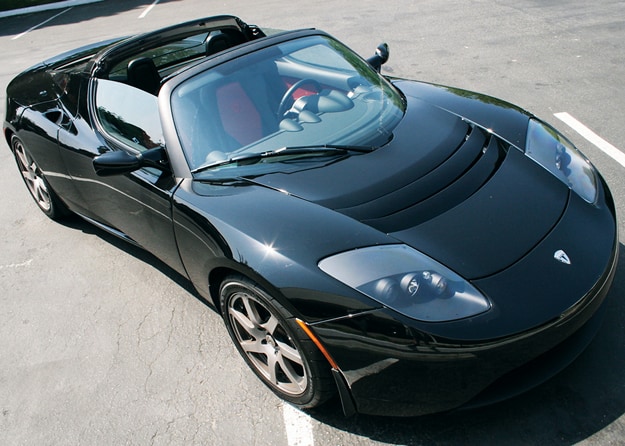
Electric cars these days are just as fast and comfortable, and can even be just as luxurious as their gasoline counterparts. And best of all more options are coming out every day. Nissan recently came out with the Leaf, a fully electric, five-passenger car. The Leaf has been shown at auto shows across Canada in the last year and is expected to hit the market shortly. Tesla Motors out of California has two fully electric luxury vehicles, including the Roadster, which has been out since 2008. The sports car reaches 96 km per hour in 3.6 seconds and can go 394 km per battery charge — not too shabby.
The cars are out there, ready for the taking, and in all likeliness there’s a line-up of buyers, too. What comes next is the infrastructure.
The idea with electric cars is you will be able to have a special plug installed in your home to recharge your battery, but a battery charge doesn’t last forever, and if someone is doing more than short city trips, there need to be battery charging stations, just the way gas stations are scattered around now. And if more of our energy production comes from renewable sources like wind and solar, we could take a huge bite out of carbon emissions.
This is where governments and corporations come in. Consumers may be more than willing to purchase electric cars, but if the infrastructure isn’t available to use the vehicles in a comfortable and convenient way, no one is going to bite. It’s a push and pull relationship, except that only one side seems to be responding.
The government pushes individuals to embrace a greener lifestyle and to buy items like electric cars. Individuals then push back at the government to make that feasible, but it’s not happening. At this point, what’s holding back progress is government bodies not responding to demands. So take a hint, governments — it’s time for you to react to your surroundings. And what clean, healthy surroundings they could be.
– –
image: Conrad Quilty-Harper/Flickr

Leave a Reply