
THE UNIVERSITY OF SASKATCHEWAN’S MAIN CAMPUS IS SITUATED ON TREATY 6 TERRITORY AND THE HOMELAND OF THE MÉTIS.
THE UNIVERSITY OF SASKATCHEWAN’S MAIN CAMPUS IS SITUATED ON TREATY 6 TERRITORY AND THE HOMELAND OF THE MÉTIS.
 GLYNN BROTHEN
The Omega (Thompson Rivers University)
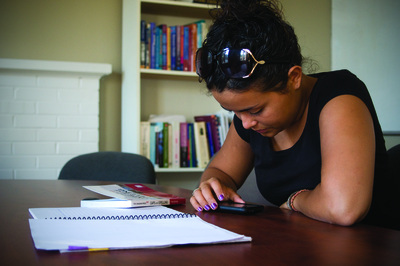
KAMLOOPS, B.C. (CUP) — As many as three in four university students have cheated or plagiarized at some point in their academic career, and that number is growing.
According to a new study released by the Canadian Council on Learning, increased use of technology and the Internet is to blame for the increasing number of students engaging in academic dishonesty.
The study, entitled Liars, Fraudsters and Cheats, included data from a 2006 survey of 20,000 first-year students at 11 Canadian post-secondary institutions to review cases of academic dishonesty.
More than half of the students admitted to cheating with 53 per cent confessing to committing one or more acts of plagiarism on written work and 18 per cent admitting to serious cheating during tests and exams in university — serious cheating is defined as copying from another student, helping another student cheat or using notes.
Seventy-three per cent of first-year students polled admitted to one or more acts of cheating in high school. Many of these students said they would not consider themselves to be cheaters, or labelled their actions as “trivial cheating.”
Occurrences of cheating among graduate students was significantly lower, with 35 per cent admitting to cheating on written work and nine per cent admitting to cheating on tests.
Paul Cappon, Canadian Council on Learning president, said the Internet and technological advancements are to blame for student corruption.
“Over the past decade, Internet and high-tech devices have enabled a virtual explosion of classroom cheating,” he said in a press release on July 7.
The University of Waterloo reported an increase in the cases of cheating and plagiarism by 81 per cent between 2003 and 2006. Cases of plagiarism involving the Internet jumped from 54 to 153 during that time.
“I would agree technology could indeed create new opportunities for cheating. Historically, it is clear that technology has played a role in changing the landscape of academic integrity across Canadian campuses, however cheating is not a new phenomenon,” said Michael Mehta, dean of arts at Thompson Rivers University in Kamloops, B.C.
Although Internet search engines provide a wealth of data, reliance on them alone does not constitute research, Mehta explained.
“Students who rely exclusively on web-based content often lose sight of context and rarely trace the intellectual history and debates of ideas and theories.”
Thompson Rivers’ academic integrity policy, similar to many others across the country, states that it is both the responsibility of students to not engage in academic dishonesty, but that staff also must play a role in preventing and detecting such acts.
Tom Dickinson, the university’s dean of science, agrees that the use of electronics and the Internet is a problem when it comes to students plagiarizing.
“Technology makes access to information of any sort almost instantaneous,” he said. “What I find disturbing is the ability to access ready-made material for essays.”
Dickinson said most often plagiarism is unintentional and results from a lack of education as to what plagiarism is and only a small segment of people trying to “pull one over on the prof.”
At the same time, 41 per cent of faculty surveyed in Canada and the United States admitted to ignoring incidents of suspected academic dishonesty.
Taking a proactive approach to discourage cheating and plagiarism is what both Dickinson and Mehta recommend.
“I’d like to see more of our faculty totally aware of the policy and what it includes and where their responsibility lies. There is no perfect way to deal with [plagiarism] other than making sure what expectations are on both sides of the coin,” said Dickinson
Mehta echoed this sentiment.
“[Faculty] must play a role in creating an environment where cheating becomes less likely. Assignments need to be ”˜cheat proof’ with questions that are specific to the context in that course,” he said.
Elizabeth Rennie, a librarian at Thompson Rivers University, has been working hard to educate students about academic dishonesty. She believes that most first-year students do not understand the dangers of cutting and pasting.
“It’s pretty easy to lose track when citing. Software can help organize resources, which is why we subscribe to Refworks software and have guides on how to cite properly,” she said.
“Most students are honest,” said Rennie. “It boils down to finding a system for them that co-operates with academic integrity.”
– –
image: Hugo Yuen/Omega
Leave a Reply